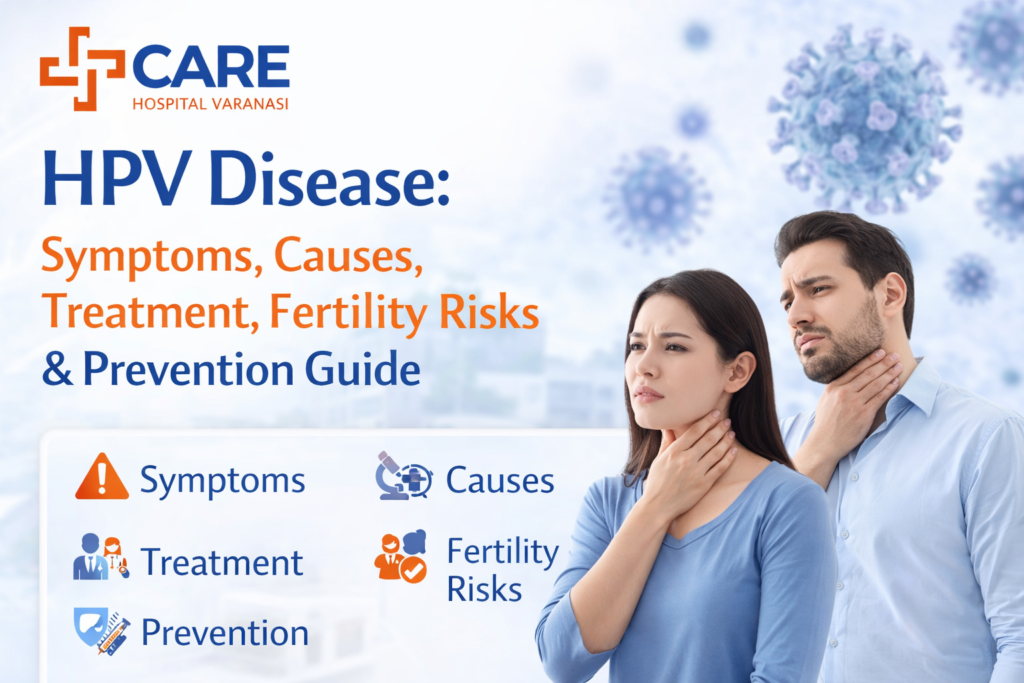
Human Papillomavirus (HPV) is one of the most common viral infections affecting millions of people worldwide. Many people search online about HPV symptoms in women, HPV infection symptoms, HPV treatment, HPV vaccine, and HPV transmission because awareness about this infection is essential for maintaining reproductive health.
HPV is known as a sexually transmitted disease (STD) that spreads mainly through skin-to-skin contact during sexual activity. Although many HPV infections clear naturally without causing serious problems, certain types can lead to complications such as HPV genital warts, cervical cancer, and fertility issues.
Understanding how HPV spreads, HPV infection causes, HPV symptoms in women early stage, and HPV treatment options can help individuals protect their health and prevent complications. In some cases, HPV infection may also affect reproductive health, which is why individuals experiencing fertility concerns often consult experts at an IVF Center in Varanasi for proper evaluation and guidance.
In this detailed guide, we will explain HPV symptoms, causes, treatment, prevention, fertility risks, and pregnancy complications related to HPV infection.
What is HPV Disease?
HPV stands for Human Papillomavirus, a group of more than 200 related viruses that infect the skin and mucous membranes. HPV infection is extremely common and affects both men and women.
Many individuals wonder “how do you get HPV virus infection?” or “how do you get HPV?” because the virus can spread even when symptoms are not visible.
HPV infection is considered a sexually transmitted disease, but it can also spread through close skin contact in the genital area.
Most HPV infections do not cause serious health problems and disappear on their own. However, certain high-risk HPV types can lead to conditions such as:
- Cervical cancer
- Anal cancer
- Throat cancer
- Genital warts
Learning about HPV infection symptoms and early detection is important for preventing long-term complications.
How HPV Spreads
One of the most common questions people ask is how HPV spreads and whether the infection is contagious.
HPV spreads mainly through skin-to-skin contact during sexual activity, including vaginal, anal, and oral sex.
HPV Transmission
Common ways HPV transmission occurs include:
Unprotected sexual intercourse
- Multiple sexual partners
- Skin contact with infected genital areas
- Oral sex with an infected partner
- HPV is highly contagious, and individuals may spread the virus even when they do not have visible symptoms.
Many people also ask “HPV contagious or not?” The answer is yes — HPV is contagious and can spread easily through intimate contact.
HPV Infection Causes
Understanding HPV infection causes can help individuals take preventive measures.
Common causes include:
- Early sexual activity
- Lack of HPV vaccination
- Weak immune system
- Multiple sexual partners
- Direct genital contact with an infected person
Although HPV infection is common, many individuals may never develop symptoms because their immune system clears the virus naturally.
HPV Symptoms in Women Early Stage
One of the most searched questions is HPV symptoms in women early stage because early detection helps prevent serious complications.
In the early stages, HPV infection may not cause noticeable symptoms. However, some women may experience:
- Small genital warts
- Abnormal vaginal discharge
- Pelvic discomfort
- Unusual bleeding between periods
Early screening through Pap smear tests and HPV testing can detect abnormal cell changes caused by HPV.
Women experiencing unusual reproductive symptoms may consider consulting a qualified IVF Specialist in Varanasi for comprehensive reproductive health evaluation.
HPV Symptoms in Women
HPV symptoms in women can vary depending on the type of virus involved.
Common symptoms include:
- HPV genital warts
- Small bumps around the genital area
- Abnormal cervical cell changes
- Pelvic pain in advanced cases
- Itching or irritation in the genital area
- Some high-risk HPV strains may not cause visible symptoms but can lead to cervical cancer if left untreated.
- Regular screening tests are essential for early detection.
HPV Infection Symptoms in Females
The HPV infection symptoms in females may include visible or internal signs.
Common HPV infection symptoms include:
- Genital warts
- Abnormal Pap smear results
- Vaginal bleeding
- Pelvic pain
- Cervical cell abnormalities
However, many HPV infections remain asymptomatic for years.
Women experiencing reproductive health concerns related to HPV may seek professional guidance at a trusted IVF Center in Varanasi for fertility assessment and treatment options.
HPV Genital Warts
One of the most recognizable symptoms of HPV infection is HPV genital warts.
These warts usually appear as:
- Small flesh-colored bumps
- Cauliflower-like growths
- Clusters of skin growths in the genital area
- Genital warts may appear on:
Vulva
Cervix
Vagina
Anus
Although genital warts are usually caused by low-risk HPV types, medical treatment may be required to remove them and prevent spreading the infection.
HPV and Fertility
A major concern for couples planning pregnancy is the relationship between HPV and fertility.
Many individuals ask:
Can HPV infection cause infertility in women?
Can HPV cause infertility?
In most cases, HPV infection does not directly cause infertility. However, certain HPV-related complications may affect reproductive health.
Possible fertility impacts include:
- Cervical cell damage
- Cervical cancer treatments affecting fertility
- Changes in cervical mucus
- Immune system responses affecting reproductive function
Couples planning pregnancy who are concerned about HPV infection may benefit from professional evaluation at an experienced IVF Specialist in Varanasi who can assess reproductive health and recommend appropriate treatments.
Can HPV Infection Cause Infertility in Women?
Research suggests that HPV infection may indirectly affect fertility in some cases.
Potential reasons include:
- Damage to cervical tissue
- Surgical treatment of cervical abnormalities
- Chronic infection affecting reproductive health
However, many women with HPV infection are still able to conceive naturally.
For couples experiencing fertility challenges, advanced Fertility Treatment in Varanasi can help identify underlying causes and improve the chances of successful pregnancy.
HPV Infection and Pregnancy Risks
Another common concern is HPV infection and pregnancy risks.
Most women with HPV can have healthy pregnancies. However, certain complications may occur in rare cases.
Possible pregnancy risks include:
- Growth of genital warts during pregnancy
- Cervical changes requiring medical monitoring
- Rare transmission of HPV to the baby
- Doctors usually monitor HPV-positive pregnant women carefully to ensure maternal and fetal safety.
Women experiencing difficulties conceiving after HPV-related complications may consider visiting a specialized IVF Center in Varanasi for fertility support.
How Long Does HPV Infection Last?
A common question among patients is how long does HPV infection last.
In many cases:
- The immune system clears HPV infection within 1 to 2 years.
- Some infections disappear without treatment.
However, persistent high-risk HPV infections may remain in the body longer and cause abnormal cell changes.
Regular medical checkups help detect persistent infections early and prevent complications.
What Happens if HPV is Left Untreated?
Many people wonder what happens if HPV is left untreated.
If HPV infection persists for several years without treatment or monitoring, it may lead to:
- Cervical cancer
- Anal cancer
- Throat cancer
- Persistent genital warts
- Reproductive health complications
- Early screening and medical consultation can prevent these serious health issues.
Individuals facing fertility concerns related to HPV infection may consult experts offering Fertility Treatment in Varanasi for proper diagnosis and reproductive care.
HPV Treatment Options
Currently, there is no direct cure for HPV, but medical treatments can manage symptoms and remove infected tissue.
Common HPV treatment options include:
- Treatment for Genital Warts
- Cryotherapy (freezing warts)
- Laser therapy
- Surgical removal
- Prescription topical medications
- Treatment for Cervical Cell Changes
If abnormal cervical cells are detected, doctors may recommend:
- LEEP procedure
- Cryotherapy
- Laser treatment
- Surgical removal of abnormal tissue
These treatments help prevent cervical cancer development.
Women experiencing reproductive complications after HPV treatment may seek help from an experienced IVF Specialist in Varanasi to preserve or restore fertility.
HPV Vaccine
The HPV vaccine is one of the most effective ways to prevent infection from high-risk HPV strains.
The vaccine protects against HPV types responsible for:
- Cervical cancer
- Genital warts
- Other HPV-related cancers
Health experts recommend HPV vaccination for both males and females, preferably before the start of sexual activity.
- Vaccination combined with regular screening significantly reduces HPV-related health risks.
- Preventing HPV Infection
- Preventing HPV infection is possible through several health practices.
- Safe Sexual Practices
- Using protection during sexual activity reduces HPV transmission risk.
- Regular Health Screening
Routine Pap smear tests and HPV testing help detect abnormal cell changes early.
HPV Vaccination
- Receiving the HPV vaccine protects against high-risk HPV strains.
- Healthy Lifestyle
- Maintaining a strong immune system helps the body fight infections more effectively.
- When to See a Doctor
You should consult a doctor if you experience:
- Unusual genital warts
- Persistent pelvic pain
- Abnormal bleeding
- Abnormal Pap smear results
Symptoms of HPV infection
Early diagnosis can prevent serious complications.
Couples facing fertility challenges after HPV-related complications may consider consulting experts at a trusted IVF Center in Varanasi for specialized reproductive treatment.
Conclusion
HPV disease is one of the most common viral infections worldwide. While many HPV infections clear naturally without causing serious health problems, certain high-risk strains can lead to cervical cancer, genital warts, and reproductive health complications.
Understanding HPV symptoms in women, HPV infection symptoms, HPV transmission, HPV infection causes, HPV treatment, and HPV prevention is essential for maintaining overall health.
Regular screening, HPV vaccination, and safe sexual practices can significantly reduce the risk of HPV infection.
For individuals experiencing fertility issues related to HPV infection or other reproductive health conditions, seeking expert care from a trusted IVF Center in Varanasi, undergoing advanced Fertility Treatment in Varanasi, or consulting an experienced IVF Specialist in Varanasi can help improve the chances of successful pregnancy and ensure long-term reproductive wellness.