In today’s fast-paced world, cardiovascular emergencies like stroke and heart attack remain leading causes of death and disability worldwide. According to health organizations, these events affect millions annually, yet many people still mix them up due to overlapping risk factors and sudden onset. Understanding the key differences can make all the difference in recognizing symptoms early and seeking prompt treatment—potentially saving lives or reducing long-term damage.
This comprehensive guide explores the distinctions between a stroke and a heart attack, covering definitions, causes, symptoms, risk factors, prevention, treatment, and recovery. Whether you’re in Varanasi or anywhere else, being informed empowers you to act quickly in a crisis. Let’s break it down step by step.
Understanding Heart Attacks: The Basics
A heart attack, also called myocardial infarction, happens when blood flow to a section of the heart muscle is severely reduced or blocked. Without oxygen, the heart tissue begins to die within minutes. This blockage is most often due to coronary artery disease, where plaque buildup (atherosclerosis) narrows the arteries, and a clot forms on a ruptured plaque.
Common Causes of Heart Attacks
The main culprit is plaque buildup in the coronary arteries. Other triggers include:
- Coronary artery spasms
- Severe anemia or low blood oxygen
- Drug use (like cocaine)
- Emotional or physical stress
Heart attacks can be STEMI (complete blockage) or NSTEMI (partial blockage), but both demand immediate intervention.
Recognizing Heart Attack Symptoms
Symptoms often develop gradually but can strike suddenly. Classic signs include:
- Intense chest pain or discomfort (pressure, squeezing, or heaviness)
- Pain radiating to arms, back, neck, jaw, or stomach
- Shortness of breath
- Cold sweats, nausea, or vomiting
- Lightheadedness or fainting
Women may experience subtler signs like fatigue, indigestion, or back pain. If you suspect a heart attack, call emergency services right away—every minute counts.
What Exactly Is a Stroke?
A stroke occurs when blood supply to the brain is interrupted, causing brain cells to die from lack of oxygen. Often dubbed a “brain attack,” it can lead to permanent disability if not treated promptly.
Main Types of Strokes
- Ischemic stroke (about 87% of cases): Caused by a clot blocking a brain artery.
- Hemorrhagic stroke: A blood vessel bursts, causing bleeding in or around the brain.
- Transient Ischemic Attack (TIA): A “mini-stroke” with temporary symptoms—still a warning sign.
Key Stroke Symptoms to Watch For
Use the FAST acronym:
- Face drooping: One side of the face numb or uneven when smiling.
- Arm weakness: One arm drifts down when raised.
- Speech difficulty: Slurred or confusing words.
- Time to call emergency: Act fast if any symptom appears.
Additional signs: Sudden severe headache, confusion, vision problems, dizziness, or loss of coordination.
Core Differences Between Stroke and Heart Attack
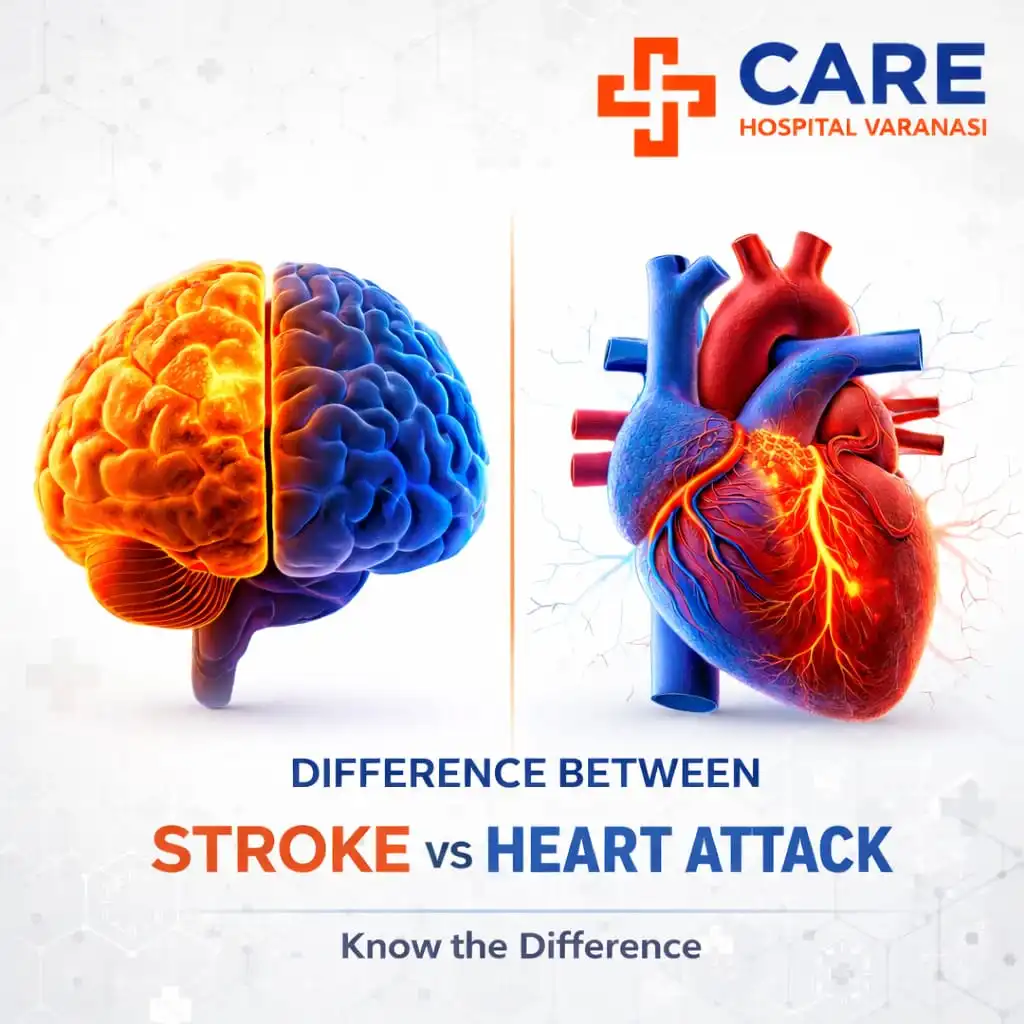
While both involve blocked blood flow and share risk factors, the primary difference is the affected organ.
| Aspect | Heart Attack | Stroke |
|---|---|---|
| Affected Organ | Heart muscle | Brain |
| Primary Cause | Blocked coronary artery | Blocked or burst brain blood vessel |
| Main Symptoms | Chest pain, shortness of breath | Face/arm weakness, speech issues |
| Acronym to Remember | None specific, but “chest pain” key | FAST |
| Common Emergency Action | Aspirin (if advised), defibrillator if needed | Imaging to determine type, clot-busters |
| Long-Term Effects | Heart failure, arrhythmias | Paralysis, speech loss, cognitive issues |
These distinctions highlight why misidentification can delay critical care.
Shared Risk Factors and Similarities
Despite differences, stroke and heart attack often stem from the same underlying issues:
- High blood pressure
- Smoking
- High cholesterol
- Diabetes
- Obesity
- Sedentary lifestyle
- Family history
- Age (risk increases over 55)
Atrial fibrillation can link them—irregular heart rhythm raises clot risk, potentially causing both. Prevention strategies overlap significantly, focusing on heart-healthy habits.
Prevention: Reducing Your Risk of Stroke or Heart Attack
Up to 80% of these events are preventable. Adopt these lifestyle changes:
- Maintain healthy blood pressure and cholesterol through diet and exercise.
- Quit smoking and limit alcohol.
- Eat a balanced diet rich in fruits, vegetables, whole grains, and lean proteins.
- Exercise at least 150 minutes weekly.
- Manage diabetes and weight effectively.
- Get regular check-ups and screenings.
For those at high risk, medications like statins or blood thinners may help. In Varanasi, facilities like Care Hospital Varanasi—often regarded as one of the best hospitals in Varanasi—offer comprehensive preventive care, including cardiac screenings, lifestyle counseling, and access to multi-specialty teams.
Immediate Treatment Approaches
Treatment depends on the condition and requires rapid response in an equipped facility.
For Heart Attacks
- Clot-busting drugs or angioplasty with stenting.
- Aspirin and other blood thinners.
- Emergency bypass surgery if needed.
For Strokes
- Ischemic: Clot-dissolving tPA or mechanical removal.
- Hemorrhagic: Surgery to stop bleeding and control pressure.
- Rehabilitation starts early.
Time is critical—”time is muscle” for heart attacks and “time is brain” for strokes. Many hospitals also provide emergency surgical support for related complications, such as trauma care or procedures needed after a major event. In Varanasi, centers like Care Hospital Varanasi’s General Surgery department handle a range of advanced and emergency surgeries, including trauma and minimally invasive options that can support recovery in complex cases.
Recovery and Long-Term Outlook
Recovery varies. Heart attack survivors often join cardiac rehab programs focusing on exercise, diet, and stress management. Stroke recovery involves physical, speech, and occupational therapy.
Many return to normal life with proper care. Support groups and follow-ups help manage complications like depression or recurrent events. Access to specialized departments—such as general surgery for any post-event procedures—ensures comprehensive healing. Local options in Varanasi, including experienced teams at Care Hospital Varanasi, emphasize faster recovery through state-of-the-art facilities and personalized care.
Why Knowledge Matters in Places Like Varanasi
In cities like Varanasi, access to advanced care can vary. Choosing a reliable facility with experienced teams in cardiology, neurology, and emergency services is essential. For example, multi-specialty hospitals equipped for both cardiovascular emergencies and supporting surgical needs provide the full spectrum of care. Care Hospital Varanasi stands out with its NABH-accredited services, 24/7 emergency support, and dedicated departments—including general surgery in Varanasi for procedures like trauma care, wound management, and minimally invasive surgeries that may be required in recovery phases.
Final Thoughts: Act Fast and Stay Proactive
Knowing the difference between a stroke and a heart attack could be the key to survival. Recognize symptoms, call emergency services immediately, and prioritize prevention. Stay informed, maintain a healthy lifestyle, and consult healthcare professionals regularly.
If you’re in Varanasi and need expert care—whether for preventive check-ups, emergency response, or any related surgical support—consider trusted options like Care Hospital Varanasi, including their specialized general surgery services in Varanasi. Your health is worth it—don’t wait for an emergency to act.