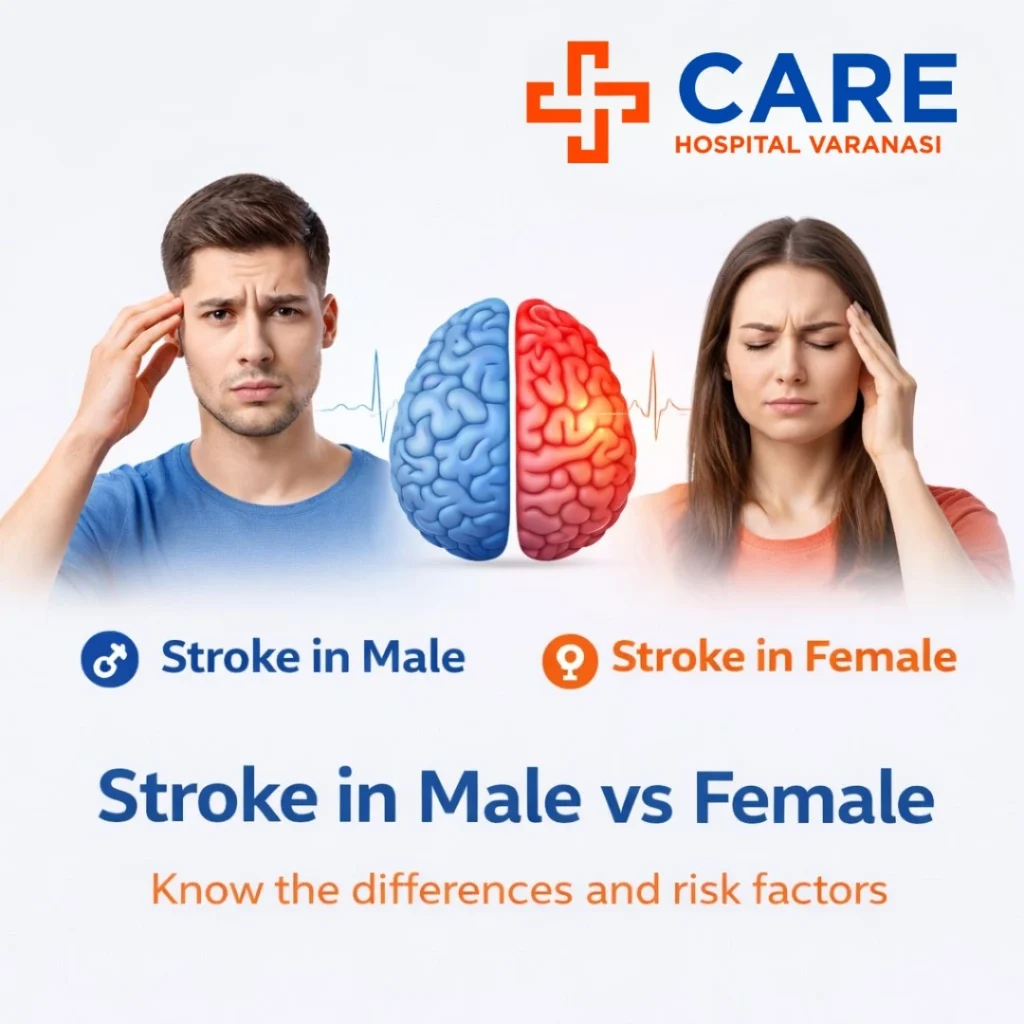
Strokes don’t discriminate, but they do manifest differently between men and women. While anyone can experience this life-threatening event, understanding the nuances in how strokes affect males versus females can be a game-changer for prevention, recognition, and treatment. Did you know that women have a higher lifetime risk of stroke than men, yet men often face it at younger ages? This gender gap influences everything from risk factors to symptoms and outcomes, making tailored awareness essential.
In this in-depth article, we’ll explore the key differences in stroke between males and females, backed by the latest insights from health organizations like the American Heart Association (AHA) and studies worldwide. We’ll break down incidence rates, unique risk factors, symptom variations, diagnosis challenges, treatment approaches, prevention strategies, and recovery considerations. Whether you’re concerned for yourself, a loved one, or just seeking knowledge, this guide aims to empower you with user-friendly, actionable information. If you’re in regions like Uttar Pradesh, accessing specialized care promptly is crucial—stay tuned for local resources.
Understanding Stroke: The Basics Before Diving into Gender Differences
A stroke occurs when blood flow to the brain is interrupted, either by a blockage (ischemic stroke, about 87% of cases) or a burst vessel (hemorrhagic stroke). This starves brain cells of oxygen and nutrients, leading to rapid cell death—up to 1.9 million neurons per minute in severe cases. The result? Potential impairments in movement, speech, vision, or cognition, depending on the affected brain area.
Globally, stroke is a leading cause of death and disability, with over 12 million new cases annually. In India, it’s the second-leading cause of death, affecting younger populations due to rising hypertension and diabetes. But why focus on gender? Because biologic sex (chromosomes, hormones) and sociocultural gender (lifestyle, access to care) create distinct patterns. Women, for instance, account for 60% of stroke deaths in the U.S., highlighting a disproportionate burden.
Stroke Incidence: Who Gets Hit Harder and When?
Stroke rates aren’t equal across genders, and age plays a pivotal role. Men typically experience strokes at younger ages—often in their 60s—while women tend to have them later, in their 70s or 80s. This shift happens because women’s risk surges post-menopause due to declining estrogen levels, which previously offered some vascular protection.
Statistics paint a clear picture:
- Lifetime risk: Women have a 1 in 4 chance of stroke after age 25, slightly higher than men’s 1 in 5.
- Annual incidence: In the U.S., stroke is the third leading cause of death for women (fifth for men). In India, similar trends show women facing higher mortality, partly due to delayed diagnosis.
- Young adults: Alarmingly, women under 35 are 44% more likely than men to suffer ischemic strokes, per a University of Colorado study. This ties into female-specific factors like pregnancy.
From the UK Biobank cohort (over 500,000 participants), incidence rates per 10,000 person-years were 8.66 for women and 13.96 for men overall, but women overtook men in older age groups. In East China studies, women showed higher risks over the lifecycle, emphasizing geographic variations.
These differences underscore why men might overlook risks in midlife, while women need vigilance during life transitions like pregnancy or menopause.
Risk Factors: Shared Threats and Gender-Specific Vulnerabilities
Many stroke risks overlap between genders, but their prevalence and impact vary. Let’s compare them side by side for clarity.
Shared Risk Factors
- Hypertension (High Blood Pressure): The top modifiable risk, affecting vessel walls over time. It’s equally dangerous but more prevalent in men until women catch up post-menopause.
- Diabetes: Doubles stroke risk by damaging blood vessels. Women with diabetes face a higher relative risk than men.
- Smoking: Accelerates atherosclerosis. Men smoke more globally (e.g., in Ethiopia studies, it’s a key male factor), but women’s rising rates in urban India close the gap.
- High Cholesterol: Leads to plaque buildup. Similar impact, but women’s HDL (good cholesterol) drops post-menopause.
- Atrial Fibrillation (AFib): Irregular heartbeat causing clots. More common in women, especially older ones, per AHA data.
- Obesity and Inactivity: Contribute to metabolic syndrome. Women often have higher obesity rates in certain populations.
Male-Specific or Predominant Risks
Men’s lifestyles and biology amplify certain factors:
- Younger Onset Risks: Men under 45 are more prone due to smoking, alcohol, and substance use (e.g., khat chewing in some regions).
- Cardiovascular History: Men have higher rates of heart disease earlier, linking to embolic strokes.
- Occupational Stress: Physically demanding jobs or high-stress roles may elevate risks indirectly.
Studies from Ethiopia highlight smoking and alcohol as male-dominant, with men 2.9 times more likely to smoke and face stroke from it.
Female-Specific or Predominant Risks
Women have unique vulnerabilities tied to reproductive health:
- Pregnancy Complications: Gestational diabetes or preeclampsia double future stroke risk. Preeclampsia alone increases it fourfold.
- Hormonal Influences: Oral contraceptives (especially with smoking) raise risk by 2-3 times. Menopausal hormone therapy can do the same if not managed.
- Migraines with Aura: Affect 1 in 5 women; those with aura have twice the stroke risk.
- Autoimmune Conditions: Lupus or rheumatoid arthritis, more common in women, inflame vessels.
- Mental Health: Depression and stress, higher in women, correlate with stroke via inflammation.
From the Women’s Health Initiative, Black women face 47% higher adjusted risk than White women, showing intersectional factors like race.
| Risk Factor | More Common/Impactful in Males | More Common/Impactful in Females | Shared Impact |
|---|---|---|---|
| Hypertension | Until midlife | Post-menopause | High |
| Smoking | Higher prevalence | Rising in younger women | High |
| Diabetes | Similar | Higher relative risk | High |
| AFib | Less | More in elderly | Medium |
| Pregnancy Issues | N/A | Exclusive | N/A |
| Hormonal Birth Control | N/A | With smoking | N/A |
| Migraines with Aura | Rare | Common | Low |
Addressing these requires gender-tailored screenings—e.g., discussing birth control risks with young women.
Symptoms: Classic vs. Atypical—Why Women Get Overlooked
Stroke symptoms can be subtle, and gender differences lead to misdiagnosis. Both genders experience the FAST signs (Face drooping, Arm weakness, Speech difficulty, Time to call 911), but women often report “non-traditional” symptoms, delaying care.
Common in Both
- Sudden numbness/weakness on one side.
- Confusion or trouble speaking.
- Vision problems.
- Dizziness or loss of balance.
- Severe headache.
Male-Predominant Symptoms
Men tend to present with focal, “classic” signs:
- Hemiplegia/hemiparesis (one-sided paralysis).
- Aphasia (language issues).
- Facial palsy.
- Paresthesia (tingling).
- Ataxia (coordination loss).
- Double vision.
A population-based study found men more likely to have these, leading to faster recognition.
Female-Predominant Symptoms
Women report diffuse or atypical symptoms 20-30% more often:
- Generalized weakness or fatigue.
- Mental status changes (disorientation, confusion).
- Nausea, vomiting, or hiccups.
- Chest pain or palpitations.
- Shortness of breath.
- Headache without focal signs.
Northwestern Medicine notes women may experience these alongside FAST, but they’re dismissed as anxiety or migraines. A PubMed study confirmed women present with fatigue (p=0.02), disorientation (p=0.04), and fever more often.
This disparity contributes to women’s 20-minute average delay in seeking help, worsening outcomes.
Diagnosis: Challenges and Gender Biases
Diagnosis involves imaging (CT/MRI), blood tests, and EKGs. However, biases exist: women’s atypical symptoms lead to underdiagnosis, especially in younger women. Studies show women wait longer for brain scans (up to 30% delay).
In young adults, women’s strokes are misattributed to migraines or stress. Advanced tools like perfusion imaging help, but access varies in India.
Treatment: Tailored Approaches for Better Outcomes
Treatment is time-sensitive: Clot-busters (tPA) within 4.5 hours for ischemic strokes, surgery for hemorrhagic. No major gender differences in protocols, but women are less likely to receive tPA (due to delays) and face higher bleeding risks from it.
Post-acute care considers gender: Women, often older, need more rehab for daily activities.
Prevention: Strategies Customized by Gender
Prevention is 80% effective through lifestyle:
- For Everyone: Control BP, quit smoking, exercise 150 minutes/week, eat heart-healthy (DASH diet), manage weight.
- Men-Focused: Early screening for heart disease, limit alcohol, stress management.
- Women-Focused: Monitor during pregnancy/menopause, avoid smoking with hormones, treat migraines.
Regular check-ups catch issues early.
Recovery and Rehabilitation: Navigating the Aftermath
Recovery varies: Men often regain physical strength faster but face emotional hurdles. Women, with more atypical strokes, deal with cognitive deficits longer. Rehab includes physical therapy, speech, and occupational.
Post-stroke complications like osteoporosis (higher in women) or mobility issues may require orthopedic input. In Varanasi, specialized Orthopedic Surgery in Varanasi can address joint problems or fractures from falls during recovery. For holistic care, the best hospital in Varanasi offers multidisciplinary teams, from neurology to rehab, ensuring comprehensive support.
Emotional recovery: Women experience more depression (up to 30%), needing mental health integration.
Conclusion: Bridge the Gender Gap for Stroke Awareness
Stroke in males vs females reveals critical differences—from risks like pregnancy for women to smoking for men, and symptoms that can mislead. By knowing these, we can act faster, prevent more, and improve lives. Prioritize health checks, lifestyle changes, and immediate action on symptoms. In areas like Prayagraj or Varanasi, the best hospital in Varanasi stands ready for emergencies—don’t hesitate.
Empower yourself: Share this knowledge, get screened, and remember, strokes are largely preventable.